Back to blog
12 min read
12 min read
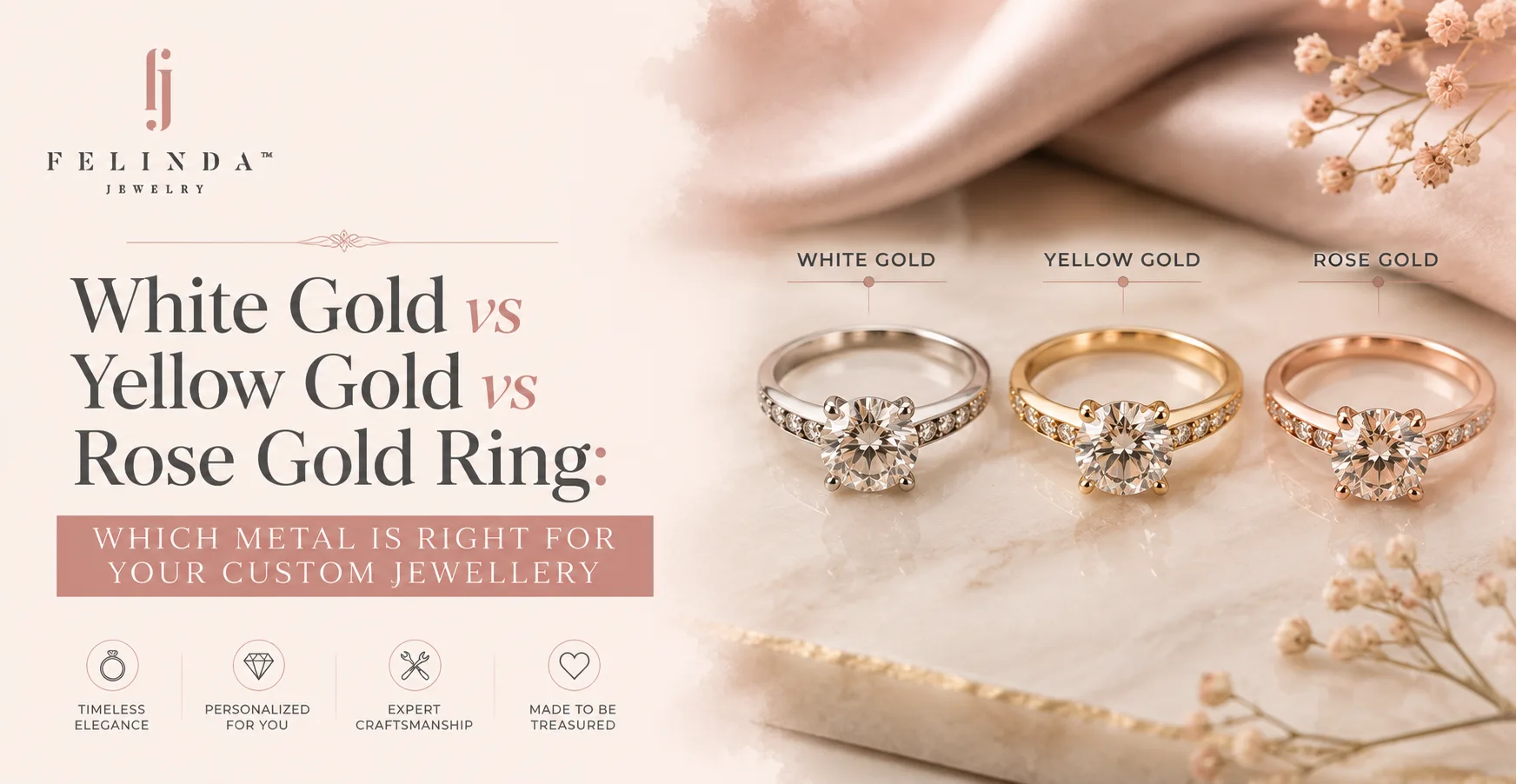
You have made the decision to commission a custom ring, whether you are ordering an engagement ring, a wedding band, or a meaningful personal gift. You know what your design looks like, but now comes the question that stops nearly every buyer cold:
What type of gold should I choose?
Is it a rose gold ring? White gold? Or yellow gold? Three different alloys, three very different visual stories. And because this ring will be worn every day for the rest of your life, the metal you choose makes a real difference to how much you enjoy wearing it.
This guide has been written specifically for ring buyers in Malaysia. Culture, climate, skin tone, and lifestyle all influence which metal will suit you best, and at Felinda we discuss this with every client before any design work begins. Choosing the right gold is not only about looks — it is about how the ring fits into the way you live.
Pure 24K gold is too soft for everyday wear. It scratches easily, bends out of shape, and wears thin over time. To make gold strong enough for fine jewellery, it is alloyed with other metals. The proportion of pure gold to alloy determines the karat, and the type of alloy used determines the colour of the gold.
This is why all of our fine jewellery at Felinda, including bespoke commissions, is made in 18K gold. At 18K, the metal is 75% pure gold — enough to retain its investment value, warmth, and prestige, with the durability to stand up to daily wear in Malaysia's hot and humid climate.
A quick reference for gold in the Malaysian market:
With that in mind, let's look at the three colours and why one may or may not be the right choice for you.
Yellow gold is the most familiar colour for a gold ring in Malaysia. It is the classic, culturally rooted choice for the vast majority of buyers. With the right design, it reads as timelessly elegant and quietly modern at the same time.
When gold is alloyed with silver and copper, you get yellow gold. An 18K yellow gold alloy produces a warm, rich tone that is noticeably more refined than lower karat yellow golds.
If you have a light olive or warm skin tone — which describes a large portion of the Malaysian population — yellow gold will enhance rather than overpower your complexion. It complements skin with golden, peachy, or amber undertones beautifully.
Those drawn to vintage or heritage looks also tend to gravitate to yellow gold. It has been used for generations in fine jewellery and works exceptionally well with intricate hand engraving, milgrain detailing, and Art Deco inspired settings.
In Chinese and Malay culture, gold carries deep meaning. It signifies wealth, blessing, and continuity. Couples looking for an engagement ring that reflects both heritage and personal taste often choose yellow gold. It is also the most natural metal for remodelling or creating bespoke pieces that incorporate family gold.
Yellow gold is the easiest of the three metals to live with. It does not lose its colour over time. The colour you see on the day you collect your ring will be the same in ten years. It may develop a soft patina, which many people see as character rather than wear.
For the last two decades, white gold has been the dominant choice in fine jewellery, and for good reason. It has a sleek, modern presence, it pairs beautifully with diamonds, and it suits the cleaner architectural styles that define current ring design.
White gold begins as yellow gold alloyed with white metals — typically palladium or nickel — and is then plated with rhodium, a bright, mirror-white metal. Without the rhodium plating, white gold has a soft greyish or champagne tone underneath.
White gold flatters cool and neutral skin tones — those with pink, rosy, or bluish undertones. It also suits anyone who prefers an understated, contemporary look rather than a traditional gold tone.
For engagement rings in the Malaysian market, white gold has long been the favourite. Its neutral surface lets a centre diamond do the talking. A diamond set in white gold reads brighter and crisper than the same stone set in yellow or rose gold.
Here is the honest truth: white gold requires more maintenance than yellow or rose gold. The rhodium plating wears down with everyday contact. Depending on your lifestyle, you may need to have your ring re-plated every one to three years to keep it at its brightest white.
At Felinda, we share this honestly with every client before the design is finalised. Re-plating is straightforward and affordable, but it is an ongoing commitment, and you should know that before choosing white gold for daily wear.
Many clients ask about platinum, especially when comparing white-toned metals. Platinum is naturally white, requires no plating, is denser than white gold, and is significantly more hard-wearing — but it also costs noticeably more. For most custom ring commissions, 18K white gold strikes an excellent balance of look, longevity, and price. When clients want to weigh both options, we walk through them together during the consultation.
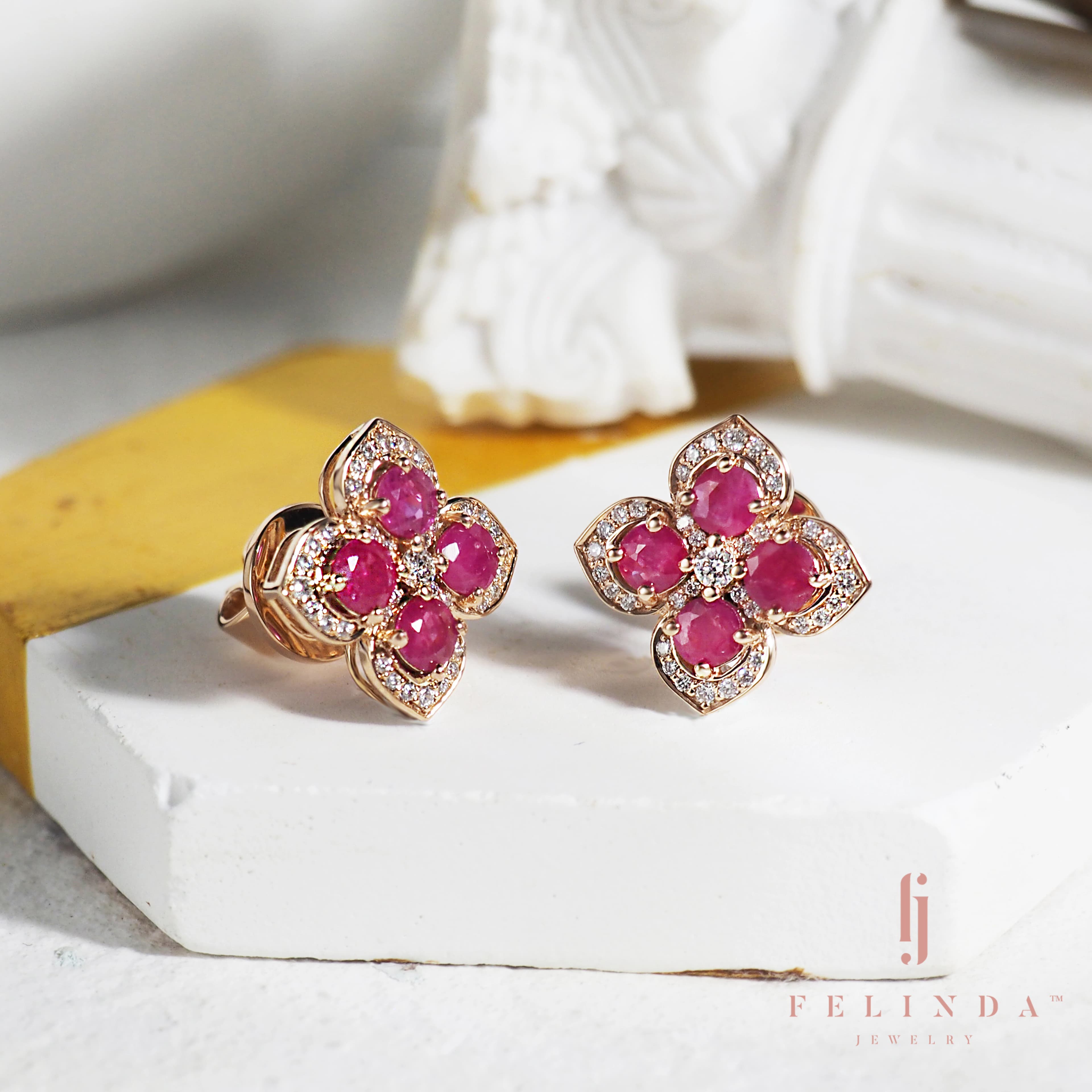
Rose gold has been one of the most talked-about metals in modern fine jewellery. Many predicted it would be a passing trend, but it has proven its staying power. Its soft blush tone reads as both modern and timeless at once.
Rose gold gets its colour from a higher proportion of copper in the alloy. The more copper, the deeper and more saturated the pink. Different jewellers use different recipes, so the exact tone of rose gold varies — some leaning peachy, others distinctly pink. At Felinda, our 18K rose gold is blended to produce a warm, refined blush rather than an over-saturated pink.
Rose gold is remarkably universal. Its warm copper tones flatter cool, warm, and neutral skin tones alike, which is why it is often the safest "I look great in it" choice for clients who are unsure.
Aesthetically, rose gold is arguably the most expressive of the three metals. Its blush hue suits delicate and feminine designs, organic motifs such as leaves and flowers, and detailed pavé work. In Malaysia, custom rose gold rings have become increasingly popular among women who want something a little more personal than traditional yellow or white gold.
Thanks to its copper content, rose gold is the most scratch-resistant of the three. It does not require rhodium plating, so its colour stays consistent for life. The trade-off is that the higher copper content can occasionally cause a reaction in people with sensitive skin or metal allergies. If you know your skin reacts to copper or brass, please let us know during your consultation so we can plan accordingly.
Skin tone and metal pairing is one of the most common questions we hear at Felinda. Here is a simple guide for Malaysian buyers:
That said, skin tone is a guideline, not a rule. At Felinda, we always encourage clients to try samples against their wrist before committing. The best metal is ultimately the one that feels right to you.
This is a point that most general guides overlook, and where bespoke expertise matters most. Different metals behave differently on the bench, which means your choice of metal directly influences what is possible in your custom design.
During your design consultation at Felinda, we discuss metal and design together. The right metal is the one that serves the design, not chosen in isolation.
Whichever metal you choose, a few habits will keep your ring at its best in Malaysia's humid climate:
There are no wrong answers here, which is why a proper conversation matters more than an online quiz.
If you are still undecided, the best next step is a conversation in person. At Felinda, we have long been the destination for custom-made gold rings in Malaysia. We bring out metal samples, talk through your design ideas, hold colour swatches against your wrist, and make sure you commit to a piece that you will cherish for life.
Book your consultation with Felinda Jewelry.
Related reading: How to Repurpose Heirloom Jewellery in Malaysia · Custom Engagement Rings Malaysia · Bespoke Process
Not significantly. Because all three are typically 18K gold, the base material cost is essentially the same. Price differences come from craftsmanship and design complexity rather than the colour of the metal. White gold may carry a small additional lifetime cost due to periodic rhodium re-plating.
Rose gold is technically the most durable of the three, as its copper alloy content makes it harder and more scratch-resistant. White gold is close behind. Yellow gold is the softest, but at 18K it is perfectly suited for daily wear — the key is choosing a well-crafted piece with a band thickness that matches your lifestyle.
Yes, and it is a beautiful design choice. Two-tone and three-tone rings combine metals within a single piece, often using white gold for the prong setting and rose or yellow gold for the band. We design these regularly at Felinda, and they work particularly well for couples who cannot quite agree on a single metal.
White gold itself does not turn yellow, but the rhodium plating that gives it its bright white finish will gradually wear away with daily contact, revealing the slightly warm grey or champagne tone of the gold beneath. Re-plating every one to two years restores it fully. Proper care — avoiding harsh chemicals and removing your ring before swimming — extends the time between re-platings significantly.
The right gold is not just about colour. It is about how it feels on your hand, how it suits your skin, and how it will wear through the years of your life. At Felinda, we walk every client through this decision in person, with sample metals, a real design conversation, and no pressure.
Book your private consultation at our atelier in Dataran Sunway, Petaling Jaya, and leave knowing exactly what your custom ring will be made of.
Stories that share themes, materials, or craft notes with this article.
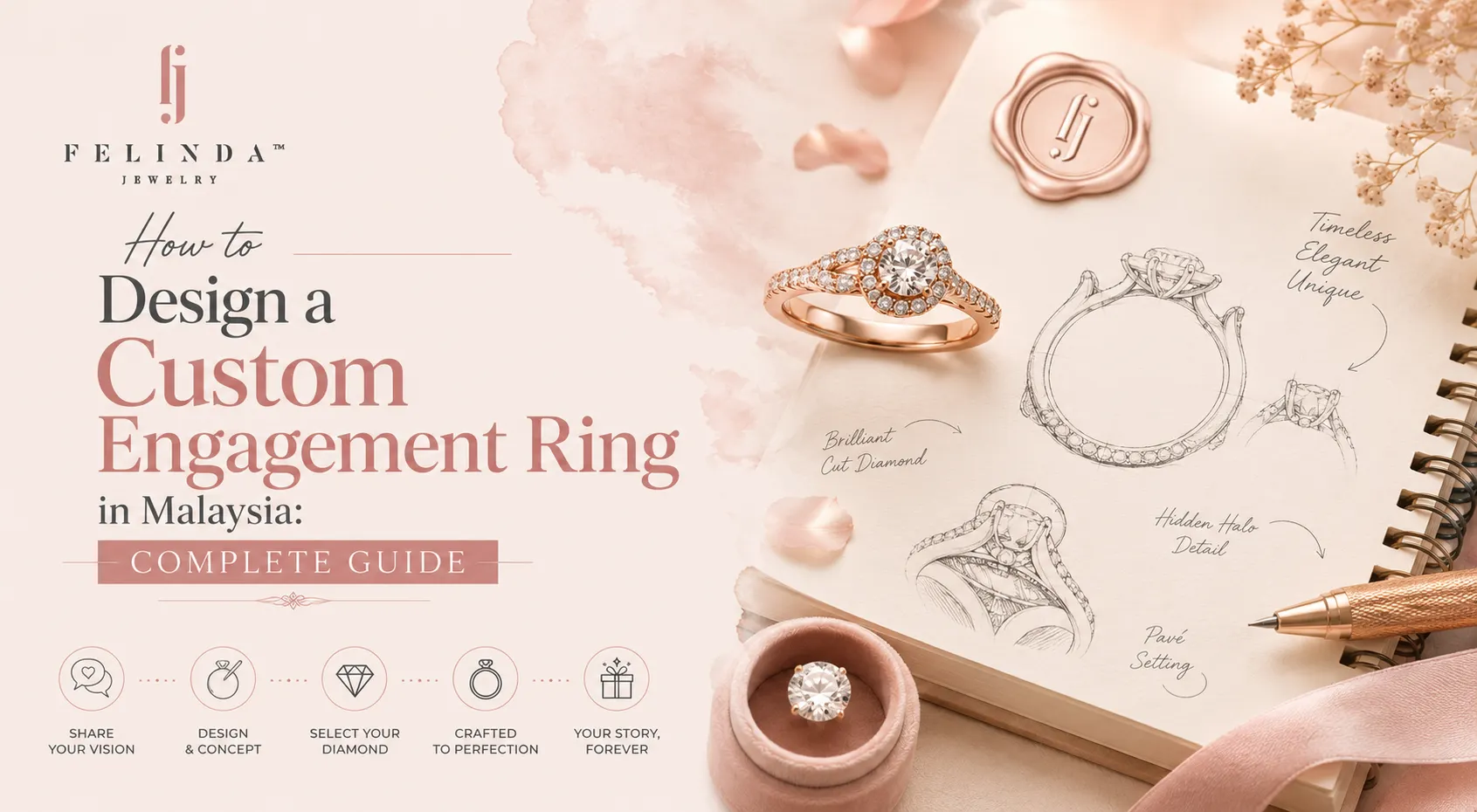
First time designing a custom engagement ring in Malaysia? This complete guide covers gemstones, metals, settings, budget & Felinda's bespoke process.
By Felinda Atelier
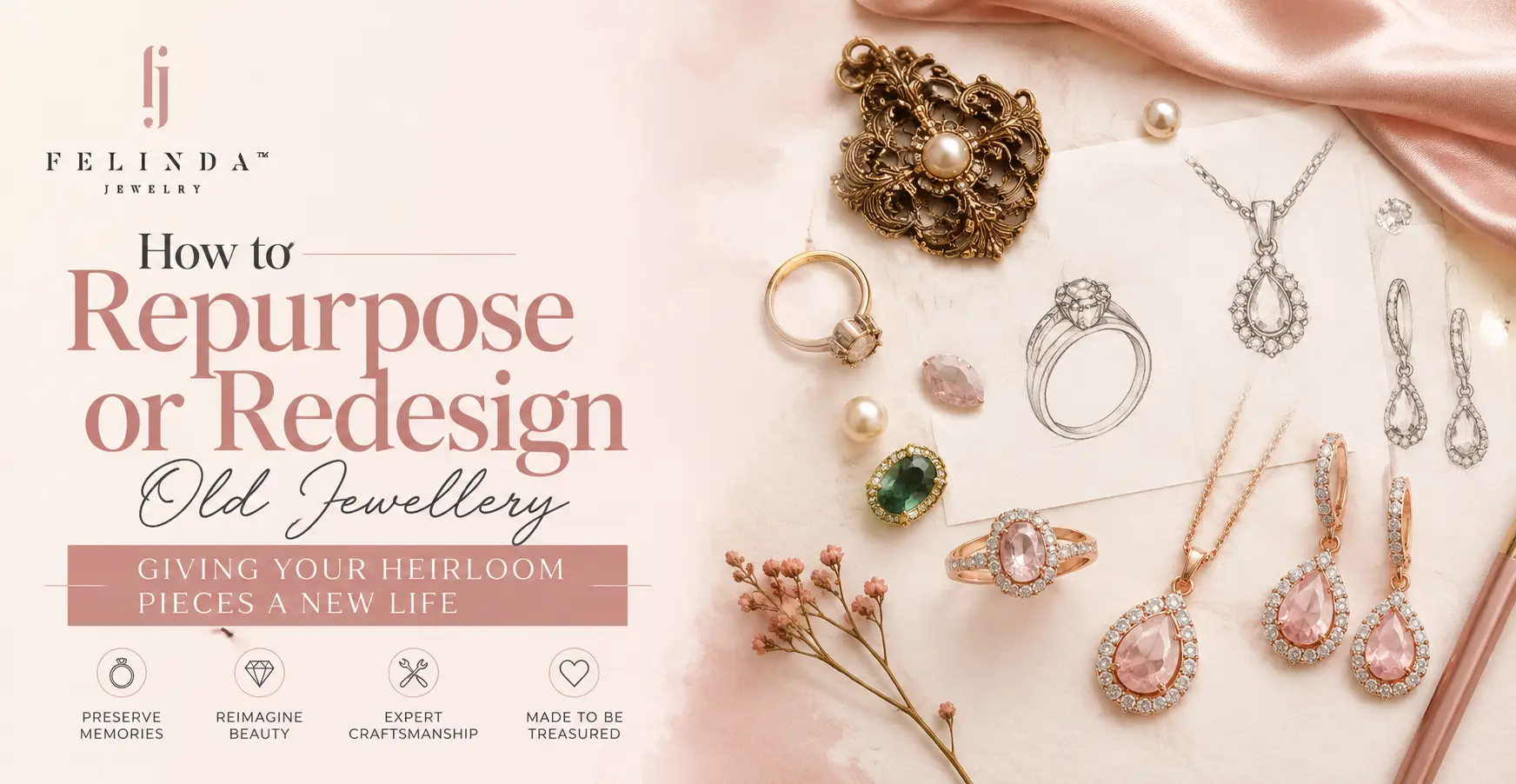
Discover how to repurpose heirloom jewellery in Malaysia. Reset gemstones, recast gold & redesign old pieces into modern jewellery you will actually wear.
By Felinda Atelier
How proportion, patina, and patience shape a piece that feels unmistakably yours, without shouting for attention.
By Felinda Atelier
Tuesday – Saturday · 11:00 – 19:00 · By appointment